

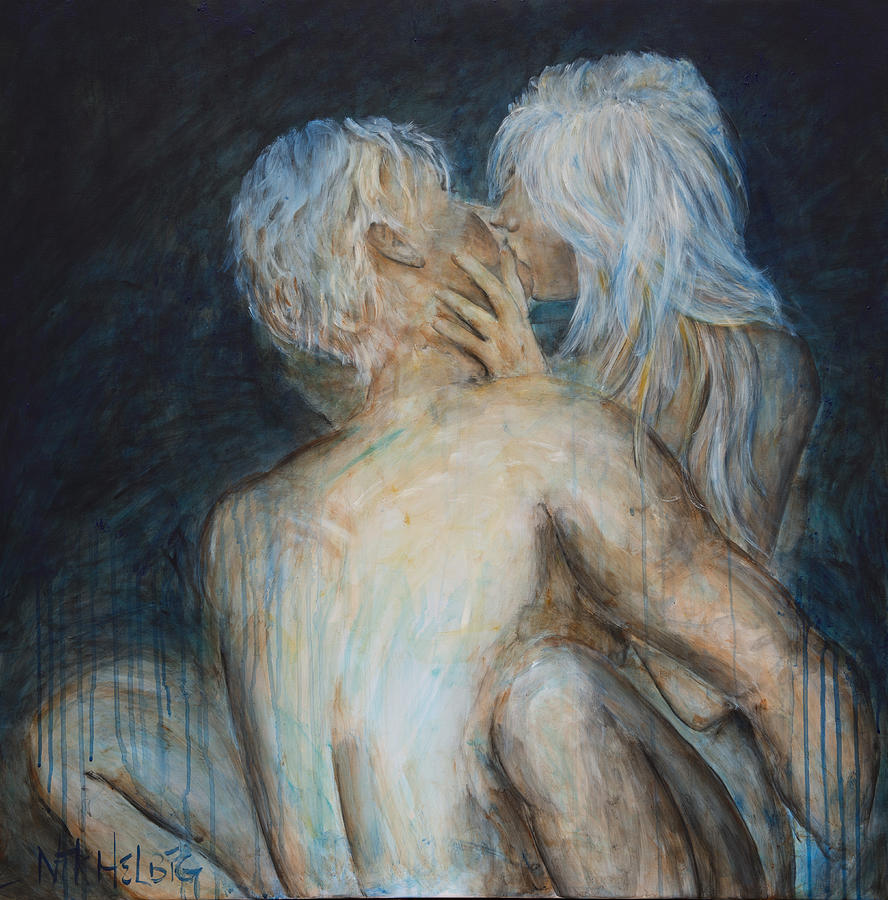
Erotic art has a long and fascinating history, yet in recent years, it has experienced a resurgence in popularity. From ancient sculptures and Renaissance paintings to contemporary photography and digital creations, erotic art has always been a reflection of society’s evolving attitudes toward sexuality. Today, more people are embracing erotic art, not just for its aesthetic value, but also for the emotional and psychological experiences it offers. Understanding why erotic art is becoming more popular requires exploring cultural, psychological, and technological influences shaping this shift.
The Historical Context of Erotic Art
Erotic art has existed for millennia, serving multiple purposes, from religious rituals to celebrations of human sexuality. Ancient civilizations such as the Greeks, Romans, and Egyptians often depicted sensuality and sexual acts in their art. These works were considered normal parts of life, highlighting fertility, love, and beauty.
During the Renaissance, erotic art took on a more subtle and symbolic approach. Artists like Titian and Botticelli created works that explored sensuality through mythological and allegorical themes. Their paintings conveyed desire and intimacy in ways that balanced eroticism with cultural acceptability.
In the modern era, erotic art became more experimental and boundary-pushing. Photographers, painters, and digital artists began exploring sexuality openly, challenging societal norms and questioning taboos. This historical evolution laid the groundwork for today’s surge in interest in erotic art.
Changing Cultural Attitudes Toward Sexuality
One of the primary reasons erotic art is gaining popularity is the shift in cultural attitudes toward sexuality. Society is becoming more open and accepting of discussions about sexual desires, fantasies, and personal exploration.
-
Normalization of Sexual Expression: People are increasingly comfortable expressing their sexuality through fashion, media, and art. Erotic art provides a safe, creative outlet for these expressions.
-
Representation of Diversity: Modern erotic art celebrates diverse sexual orientations, body types, and identities, allowing viewers to see themselves reflected in the art they consume.
-
Breaking Taboos: Erotic art encourages open dialogue about sexual pleasure and intimacy, reducing stigma and promoting acceptance.
This cultural shift is reflected in social media platforms, galleries, and online marketplaces, where erotic art is increasingly accessible and celebrated.
Psychological Appeal of Erotic Art
Erotic art appeals to the mind as much as the senses. Human sexuality is inherently tied to psychology, and erotic art engages both the conscious and subconscious mind.
-
Stimulation of Desire: Erotic art can trigger feelings of arousal and excitement, creating a personal, immersive experience for viewers.
-
Exploration of Fantasy: Erotic art allows people to explore fantasies in a safe and imaginative way. It can be a form of escapism, helping individuals engage with desires they might not act on in real life.
-
Emotional Connection: Beyond physical desire, erotic art can evoke emotional intimacy and vulnerability. A painting, sculpture, or photograph may communicate longing, passion, or tenderness, creating a connection between the viewer and the subject.
By engaging both body and mind, erotic art offers a multi-layered experience that traditional forms of entertainment often cannot replicate.
The Role of Technology in Popularizing Erotic Art
Technology has played a crucial role in the recent surge of erotic art. Digital tools, online platforms, and social media have made it easier than ever for artists to create, share, and monetize their work.
-
Digital Art and Animation: Artists can now craft highly detailed and realistic erotic illustrations, animations, and 3D models that were impossible to achieve decades ago. These digital works often offer interactive elements, heightening the viewer’s engagement.
-
Social Media Platforms: Platforms like Instagram, Twitter, and specialized adult art communities allow artists to showcase their work to global audiences, gain followers, and sell prints or digital files directly.
-
NFTs and Blockchain: The rise of non-fungible tokens has created new opportunities for erotic artists to protect and sell their work digitally. Collectors can purchase unique pieces, fostering a sense of exclusivity and value.
These technological advancements have not only increased accessibility but also legitimized erotic art as a form of creative expression worthy of recognition.
The Intersection of Eroticism and Fashion
Erotic art is increasingly influencing and being influenced by the fashion world. Designers, photographers, and stylists are collaborating with erotic artists to create sensual imagery that blurs the line between art and lifestyle.
-
Lingerie and Boudoir Photography: Erotic art inspires intimate fashion shoots that celebrate the human body and sexuality. These images are often displayed in magazines, online galleries, and private collections.
-
Runway and Editorial Influence: High-fashion brands are incorporating erotic aesthetics into clothing, styling, and marketing campaigns, making sensuality an accepted part of mainstream culture.
-
Body Positivity and Self-Expression: Erotic art in fashion encourages individuals to embrace their bodies, desires, and identities, promoting self-confidence and empowerment.
The synergy between erotic art and fashion has contributed significantly to the normalization and popularity of sensual visual experiences.
Erotic Art as a Form of Empowerment
Erotic art is not only about visual pleasure; it also functions as a tool for empowerment. Both creators and viewers can experience a sense of liberation and self-expression through erotic works.
-
Artistic Freedom: Erotic artists often push boundaries, experimenting with form, medium, and narrative to express sexuality without restriction.
-
Sexual Empowerment: Viewing or participating in erotic art allows individuals to explore their desires openly, fostering confidence and self-acceptance.
-
Feminist and LGBTQ+ Expression: Erotic art provides a platform for marginalized communities to reclaim their sexuality and challenge historical oppression, contributing to social change and inclusivity.
By connecting pleasure with agency, erotic art becomes a medium for personal growth, identity affirmation, and empowerment.
The Economic Impact of Erotic Art
The popularity of erotic art is also driven by its economic viability. Collectors, galleries, and online marketplaces are investing in erotic works, recognizing their cultural and financial value.
-
Art Collecting and Investment: Rare erotic artworks, whether digital or traditional, are increasingly seen as valuable assets. Collectors appreciate their uniqueness and the prestige associated with owning provocative, boundary-pushing pieces.
-
Commercial Opportunities: Erotic art extends into merchandising, photography, film, and fashion collaborations, generating revenue for artists and brands.
-
Digital Marketplaces: Platforms dedicated to adult content provide artists with a secure and lucrative way to sell prints, digital files, and commissions directly to consumers worldwide.
This economic ecosystem supports the creation of high-quality erotic art and reinforces its status as a respected creative field.
The Social and Cultural Significance of Erotic Art
Erotic art reflects society’s evolving understanding of desire, intimacy, and identity. Its popularity signifies broader changes in how people approach sexuality, self-expression, and interpersonal connections.
-
Normalization of Desire: By presenting sexuality as natural and beautiful, erotic art reduces shame and fosters healthy attitudes toward sexual expression.
-
Cultural Commentary: Erotic works often critique societal norms, challenge repression, and highlight issues like consent, gender roles, and body politics.
-
Community Building: Online and offline erotic art communities allow people to connect over shared interests, creating supportive spaces for dialogue and creative collaboration.
These cultural functions show that erotic art is more than mere visual stimulation; it is a reflection of humanity’s ongoing exploration of intimacy, identity, and self-understanding.
Real-Life Examples of Erotic Art Popularity
The popularity of erotic art can be observed in various contemporary settings:
-
Adult Art Exhibitions: Galleries and museums are dedicating space to erotic-themed exhibitions, attracting diverse audiences eager to explore sensual art in public settings.
-
Social Media Engagement: Erotic art content often receives high engagement, with followers commenting, sharing, and discussing the themes openly.
-
Educational Applications: Erotic art is increasingly incorporated into sexual education programs and workshops, using visual media to discuss consent, pleasure, and communication in relationships.
These examples highlight the growing legitimacy and cultural integration of erotic art in daily life.
Conclusion
The rise in popularity of erotic art is a complex interplay of history, culture, psychology, technology, and economics. It resonates with modern audiences because it engages the senses, explores fantasy, challenges societal norms, and empowers both creators and viewers. In a world increasingly open to diverse expressions of sexuality, erotic art provides a safe, stimulating, and meaningful avenue for exploring desire, identity, and intimacy. Its growing presence in galleries, digital spaces, and mainstream culture signals a shift toward accepting and celebrating sexuality as a natural and beautiful part of human experience.
FAQs About Erotic Art
Why is erotic art more accepted now than in the past?
Shifts in cultural attitudes, sexual liberation movements, and the normalization of open dialogue about sexuality have contributed to greater acceptance. People are more willing to view erotic art as a legitimate form of expression rather than something taboo.
Can erotic art be considered empowering for women and LGBTQ+ individuals?
Yes, erotic art allows these communities to reclaim their sexuality, challenge societal repression, and celebrate desire on their own terms, fostering empowerment and self-confidence.
How does technology influence the popularity of erotic art?
Digital tools, social media platforms, and NFTs make it easier for artists to create, share, and monetize their work. Technology has increased accessibility, interactivity, and global reach for erotic art.
Is erotic art only about sexual stimulation?
No, erotic art engages viewers emotionally and intellectually as well. It explores intimacy, desire, and identity, offering a multi-layered experience beyond physical arousal.
