

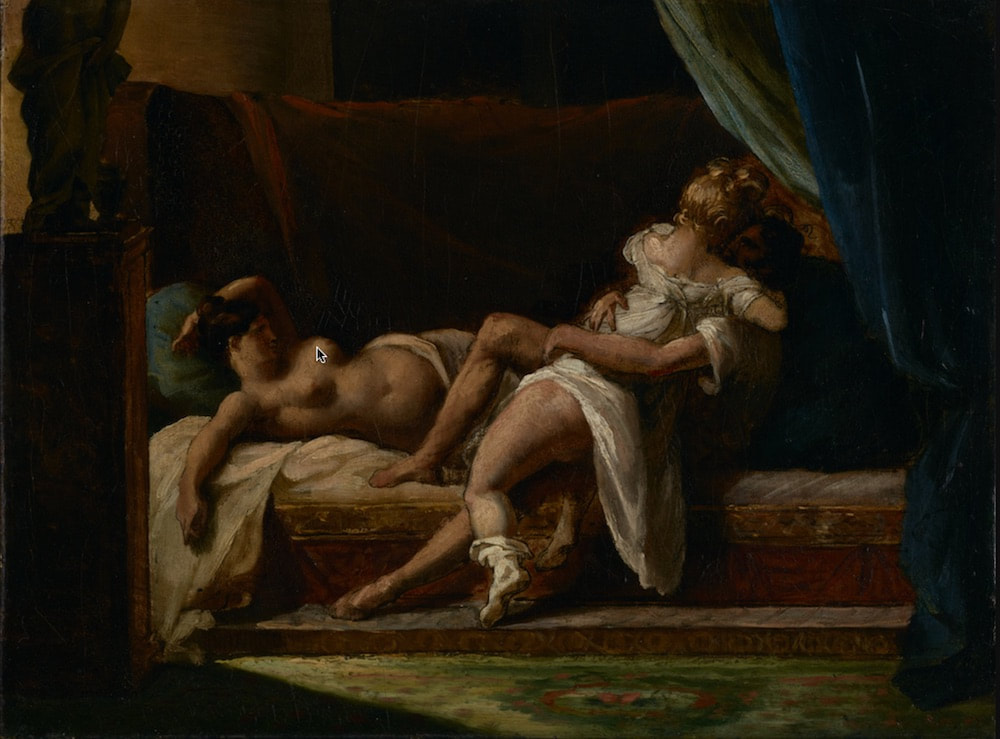
Erotic art has existed for centuries, weaving through cultures, societies, and mediums to capture the complexities of human desire. Far from being purely sexual, erotic art serves as a mirror to intimacy, connection, and emotional vulnerability. It is a form of expression where love, passion, and desire intertwine to create pieces that evoke deep feelings and provoke thought. For those exploring adult content on a meaningful level, understanding erotic art as an expression of love opens doors to richer emotional and physical experiences.
Understanding Erotic Art
Erotic art is not simply about nudity or sexual acts; it is a creative medium that explores intimacy and the human body as a vessel of emotion. Historically, artists have used erotic imagery to highlight sensuality, celebrate physical beauty, and convey emotional connections. From classical paintings in the Renaissance era to modern digital illustrations, erotic art captures the nuances of desire and affection.
-
Emotional depth: Erotic art often portrays the emotional undertones of intimacy, such as trust, vulnerability, and connection.
-
Celebration of the body: Beyond sexual content, it respects and celebrates human anatomy as a canvas of emotion and storytelling.
-
Cultural reflection: Erotic art mirrors the societal views of love, lust, and intimacy, providing insight into how different cultures perceive eroticism.
By examining these aspects, it becomes clear that erotic art is a multifaceted expression that goes beyond mere sexual depiction. It is an art form that engages the heart and mind while stimulating the senses.
Erotic Art as a Medium of Love
At its core, erotic art is a celebration of love and intimacy. Artists often capture moments of tenderness, passion, and vulnerability that define human connection. This makes erotic art not just a sexual experience but also a visual representation of affection and desire.
-
Tenderness in depiction: Many erotic artworks focus on gentle touches, soft gazes, and the intimate bond between partners. These subtle elements communicate trust and emotional closeness.
-
Passion and intensity: Erotic art often portrays powerful sexual energy, symbolizing the raw intensity of desire that exists in loving relationships.
-
Mutual vulnerability: Erotic art frequently captures moments where individuals reveal themselves fully, emphasizing trust, openness, and emotional honesty.
Through these depictions, erotic art reinforces the idea that sexual intimacy is intertwined with emotional connection, making it a valid and expressive form of love.
The Psychological Aspect of Erotic Art
Erotic art also engages the mind, influencing perception, arousal, and emotional resonance. Psychologists recognize that viewing or creating erotic art can enhance emotional intimacy, boost self-awareness, and improve relational satisfaction.
-
Connection enhancement: Couples who explore erotic art together may develop a deeper understanding of each other’s desires, fostering emotional closeness.
-
Self-expression: Artists and viewers alike can use erotic art as a safe outlet for expressing fantasies, desires, and emotional needs.
-
Arousal and emotional release: Erotic art stimulates both physical and emotional responses, connecting the mind and body in a shared experience of pleasure.
This psychological component emphasizes that erotic art is not purely for visual pleasure but is a holistic experience that integrates emotions, intimacy, and love.
Erotic Art Across Cultures
Erotic art is universal, transcending time and geography. Each culture interprets eroticism differently, yet the underlying theme remains consistent: the celebration of human connection and desire.
-
Eastern cultures: In Japan, shunga art is an ancient form of erotic woodblock printing that combines humor, romance, and sensuality, highlighting mutual pleasure.
-
Western cultures: Renaissance art often portrayed mythological and biblical scenes with erotic undertones, emphasizing beauty, passion, and love.
-
Modern digital art: Contemporary artists use digital platforms to create erotic illustrations that explore identity, sexuality, and emotional intimacy in innovative ways.
These examples show that erotic art, while influenced by cultural context, always carries the essence of love, desire, and human connection.
Erotic Art and Consent
A critical aspect of erotic art as an expression of love is consent. Healthy erotic art portrays interactions where all participants willingly engage in intimacy. It reinforces mutual respect, understanding, and pleasure as foundational elements of erotic expression.
-
Mutual respect: Erotic art that respects boundaries promotes a sense of safety and trust.
-
Empowerment: Artists and viewers can use erotic art to explore and affirm personal desires, promoting confidence and self-expression.
-
Education: Erotic art can illustrate healthy sexual dynamics, teaching about communication, boundaries, and emotional reciprocity.
Consent ensures that erotic art remains a loving and positive expression rather than objectifying or harmful.
Erotic Art in Relationships
Integrating erotic art into romantic relationships can deepen intimacy and understanding between partners. Couples may use erotic art as a tool for exploration, fantasy, and emotional connection.
-
Shared experiences: Viewing erotic art together can spark conversations about desires, boundaries, and fantasies.
-
Inspiration for intimacy: Erotic art can inspire new ways to connect physically and emotionally, strengthening the romantic bond.
-
Emotional communication: Through erotic art, partners can express feelings that might be difficult to articulate verbally.
This practical application underscores that erotic art is not only an individual experience but also a shared medium for expressing love and desire.
Erotic Art and Self-Love
Beyond relationships, erotic art also nurtures self-love and body positivity. Individuals who engage with erotic art can develop a healthier relationship with their own desires and bodies.
-
Body appreciation: Erotic art encourages admiration for the human form, promoting self-acceptance and confidence.
-
Exploration of fantasies: Personal engagement with erotic art allows individuals to understand and embrace their own sexual preferences.
-
Emotional release: Viewing or creating erotic art can serve as a therapeutic outlet, reducing stress and increasing emotional satisfaction.
This aspect of erotic art emphasizes that love is not solely external but also an internal experience of self-connection and acceptance.
The Evolution of Erotic Art
Over time, erotic art has evolved alongside societal changes in attitudes toward sexuality and intimacy. The digital age has expanded access to erotic content, allowing artists and viewers to explore eroticism in diverse, boundary-pushing ways.
-
Traditional mediums: Paintings, sculptures, and engravings historically conveyed erotic themes through subtlety and allegory.
-
Photography: Erotic photography brought realism and immediacy to erotic expression, capturing moments of intimacy with authenticity.
-
Digital and interactive art: Modern platforms enable immersive erotic experiences, from illustrations to virtual reality, enhancing the emotional and sensory engagement.
Despite changes in medium and style, the central theme remains constant: erotic art as an expression of love, intimacy, and human connection.
Ethical and Respectful Engagement
Engaging with erotic art responsibly involves respecting boundaries, consent, and context. Ethical interaction ensures that erotic art continues to be a positive, love-centered experience.
-
Respect for creators: Supporting artists ensures that their work is appreciated and ethically produced.
-
Mindful consumption: Engaging with erotic art thoughtfully avoids objectification and reinforces positive emotional connections.
-
Contextual understanding: Recognizing cultural and historical contexts enriches the experience and deepens appreciation.
By approaching erotic art ethically, viewers and creators honor the love and intimacy inherent in the medium.
Conclusion
Erotic art is far more than visual stimulation. It is a complex, emotional, and cultural expression of love, intimacy, and desire. Whether through historical paintings, modern illustrations, or digital experiences, erotic art celebrates the depth of human connection. It fosters emotional resonance, strengthens relationships, promotes self-love, and encourages mutual understanding. Viewing erotic art as an expression of love elevates its purpose beyond the physical to the profoundly emotional, making it a timeless and meaningful form of creative expression.
Frequently Asked Questions
How does erotic art differ from pornography?
Erotic art focuses on emotional intimacy, aesthetic beauty, and human connection, whereas pornography primarily emphasizes sexual stimulation. Erotic art seeks to evoke feelings of love and desire rather than purely arousal.
Can couples use erotic art to enhance their relationship?
Yes, couples can explore erotic art together to communicate desires, deepen emotional intimacy, and inspire new forms of shared physical and emotional experiences.
Is erotic art only for sexual purposes?
No, erotic art can serve multiple purposes, including self-expression, emotional exploration, education, and fostering self-love. It is a medium that blends aesthetics with emotional resonance.
How does erotic art promote self-love?
Engaging with erotic art encourages individuals to appreciate their own bodies, explore personal fantasies safely, and cultivate confidence in expressing desire and intimacy.
What role does consent play in erotic art?
Consent is central to ethical erotic art, ensuring that all participants are willing, respected, and empowered. It reinforces the loving and positive nature of the medium.
Why has erotic art persisted across cultures and history?
Erotic art endures because it captures universal human experiences of desire, intimacy, and love. Its ability to reflect cultural values, emotions, and aesthetics ensures its timeless relevance.
Can erotic art be educational?
Yes, erotic art can teach about healthy sexual expression, emotional connection, and communication, serving as a resource for understanding intimacy and relationships.
